Yue (Mike) Yu
Columbia University · BME

Yue (Mike) Yu

Biomedical Engineering, Columbia University — hardware & software.

I'm an undergraduate biomedical engineer (B.S., expected May 2028; GPA 3.83, Dean's List) working at the intersection of flexible electronics fabrication, deep learning, and dexterous robotics.

I like building the full signal chain of an instrument — fabricating the electrode, writing the firmware that drives it, and training the model that makes sense of what comes back. I am currently working as an undergraduate reseearch at the Columbia Laboratory for Unconventional Electronics (CLUE) under Dr. Ioannis (John) Kymissis.

Hardware

The thing that senses

Electrodes, flexible arrays, embedded firmware, and the benchtop rigs that prove they work.

STM32 firmware · sputtering / e-beam · Parylene-C · electrode fabrication · EIS · PCB design
Software

The model that understands it

Imaging pipelines, 3D deep learning, multimodal fusion, and classical ML that turns signal into insight.

PyTorch · 3D CNNs · Vision Transformers · transfer learning · multimodal fusion · GMM / KNN

Research

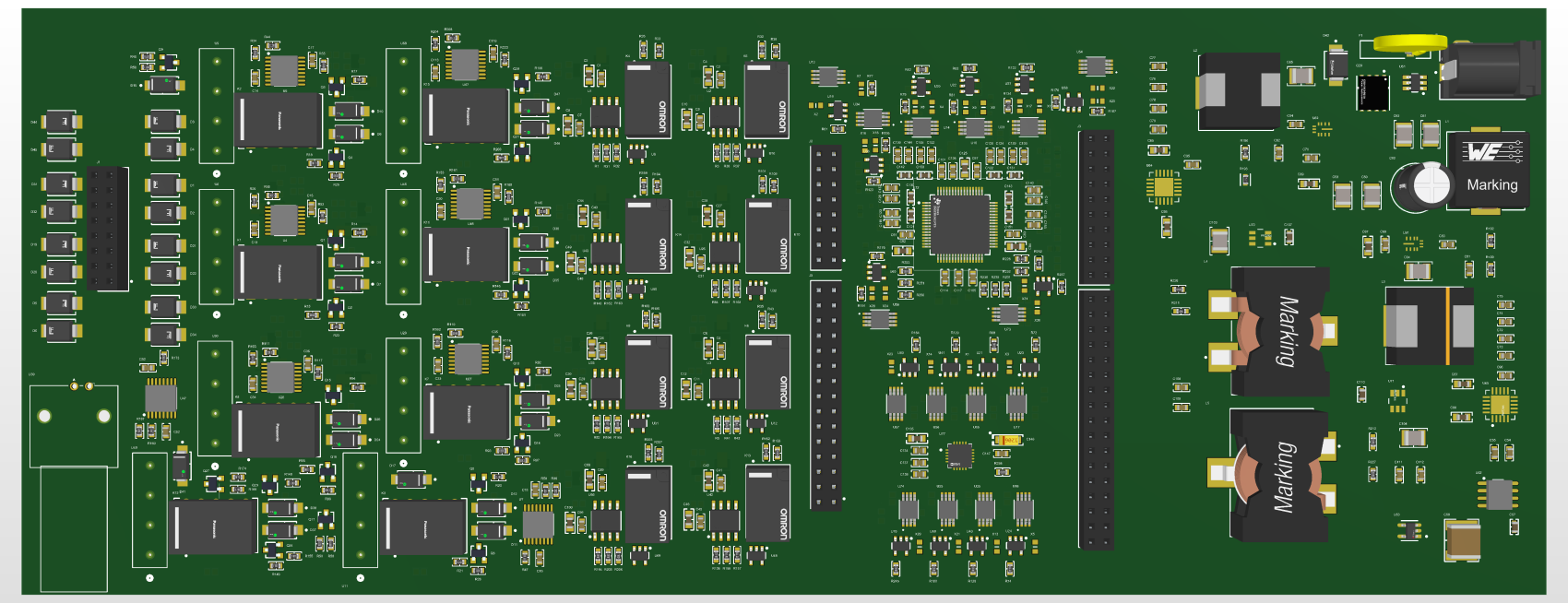
Wearable diffuse optical tomography illustration

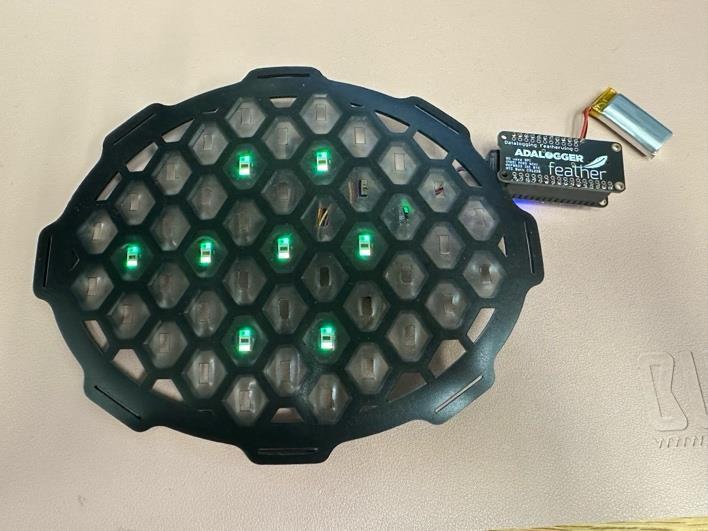
W-DOTIS — Wearable Diffuse Optical Tomography

CLUE · Kymissis Lab · Aug 2025 – Present

A wearable system using flexible LED–photodiode arrays to non-invasively screen for breast cancer by reconstructing optical absorption through tissue. Wrote STM32 firmware (STM32CubeIDE) for individual LED addressing, and optimized illumination/detection patterns to maximize source–detector coverage and SNR.

Flexible bioelectronicsSTM32 firmwareOptical imaging
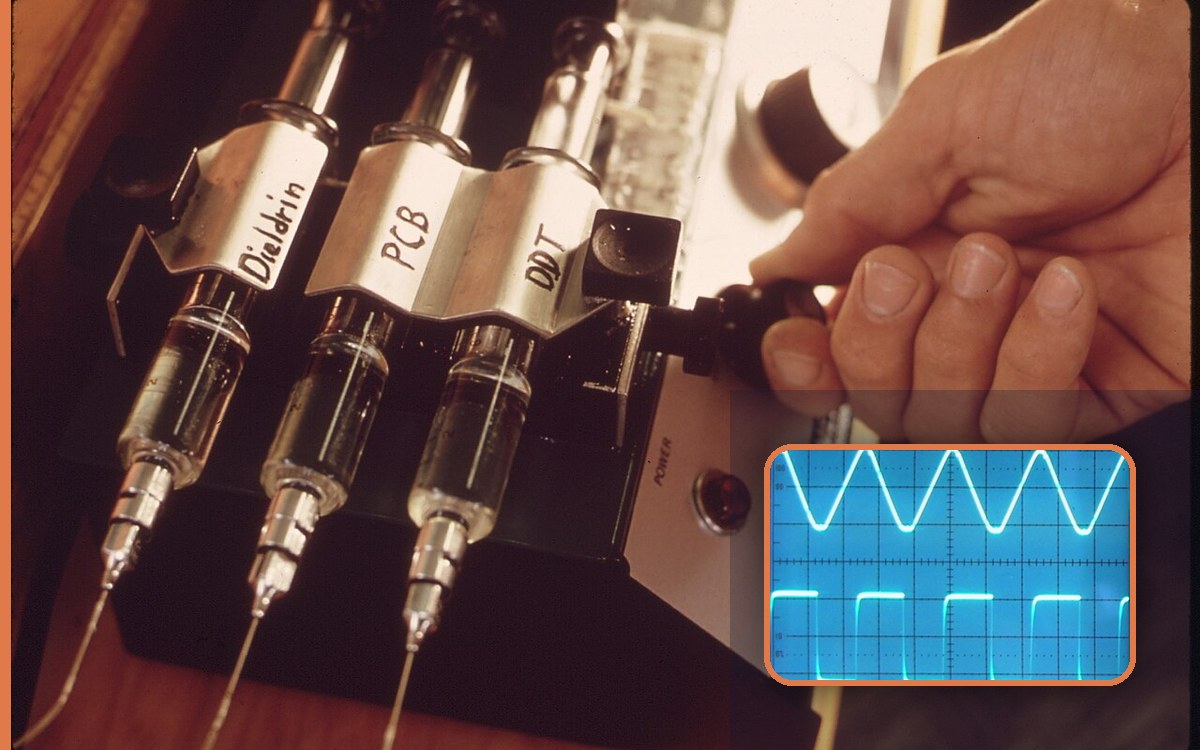
Benchtop loop: syringe pump and oscilloscope

CSF Shunt Flow Sensor — Ion-Cloud Transit Sensing

CLUE · Kymissis Lab · Aug 2025 – Present

A four-electrode sensor for ventriculoperitoneal shunts: an upstream pair pulses the conductive CSF and the downstream pair times the ion cloud's transit, mapping to flow rate and revealing obstruction. Built the benchtop loop (NE-1000 syringe pump, artificial CSF, Keysight WaveGen + capture), characterized Pt–Ir electrodes via EIS, and designed a translational version with cleanroom metal deposition + Parylene-C.

MicrofabricationEISSignal analysis
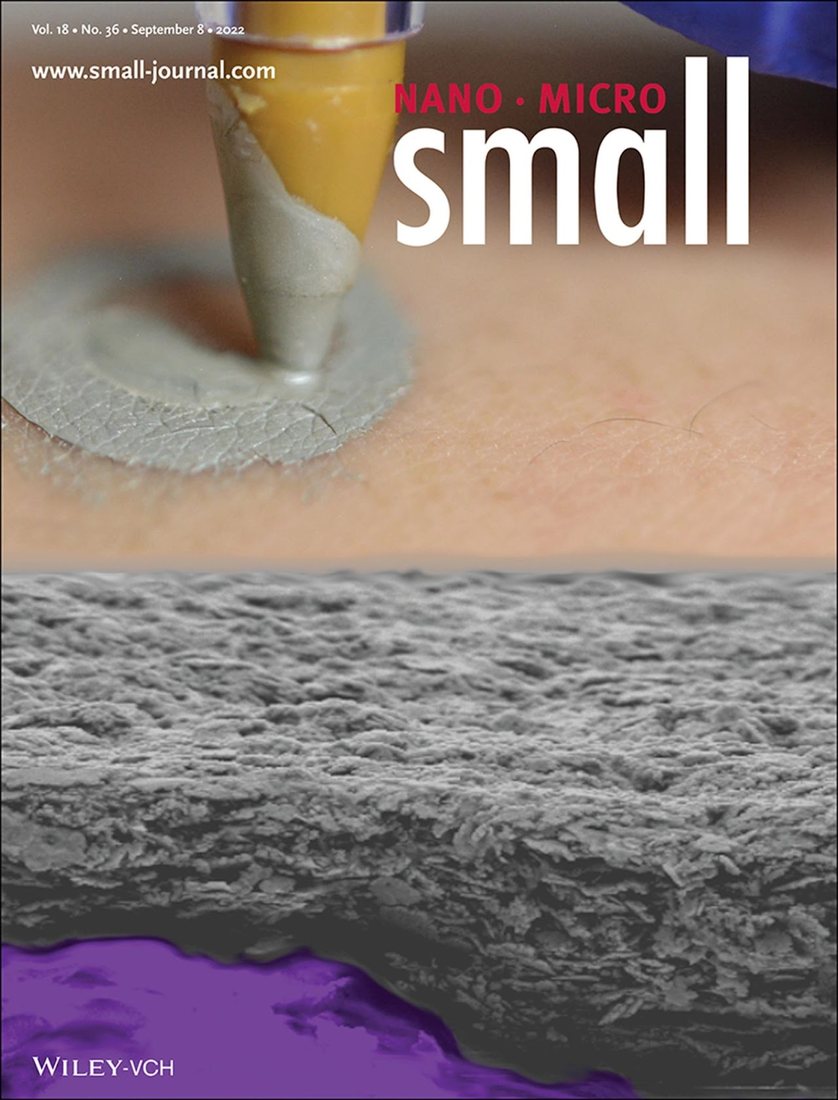
Drawn-on-Skin conductive ink

Drawn-on-Skin Bioelectronics

Yu Research Group · Aug 2024 – Present

Conductive ink drawn directly on skin to capture EEG, ECG, and skin-impedance signals for stress detection and wearable diagnostics. Developing flexible DoS transistors, heaters, and pressure sensors, and mentoring incoming researchers in lab protocols.

Validation: 100% biocompatibility · 90% signal integrity at 50% stretch
Conductive inkStretchable electronicsBio-signals
NeuroTech EEG project

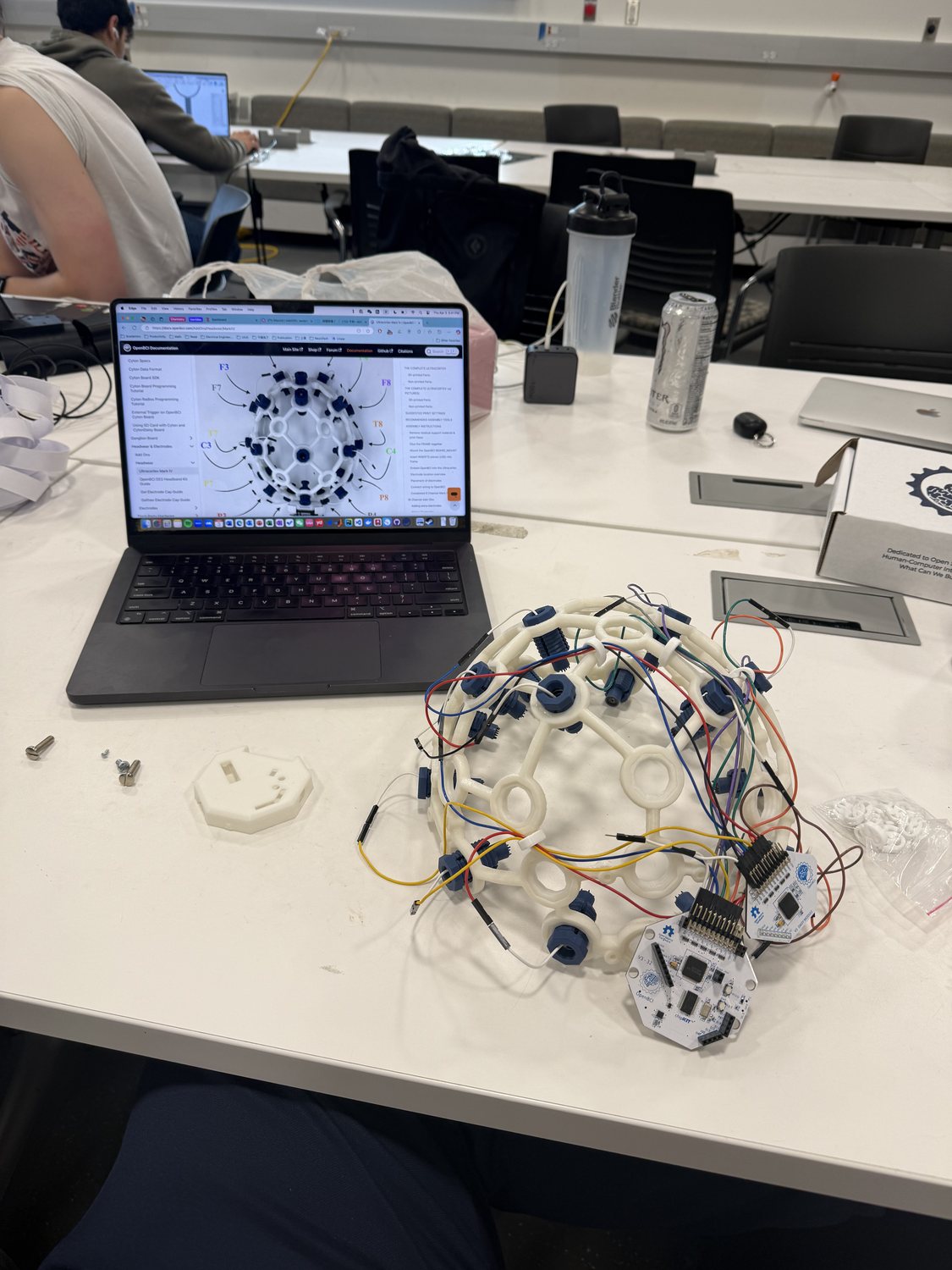
NeuroTech — Brain-Controlled Motion Classification

NeuroTech, Universum · Officer, Model Development · 2024–2025

Led 7 undergraduates applying AI/ML to brainwave data from commercial EEG headsets. Streamlined acquisition with an IRB-approved SOP over Lab Streaming Layer, and classified grasping motions with a Gaussian Mixture Model + K-Nearest Neighbors.

$5,000 seed funding · 0.005 s sync · EOH Visionary Impact Award
Brain–computer interfaceEEG / LSLGMM / KNN

Projects

Axial FLAIR brain MRI

Multimodal Neuroimaging — Brain Age Estimation

BMEN 4460 · Deep Learning in Biomedical Imaging · Solo

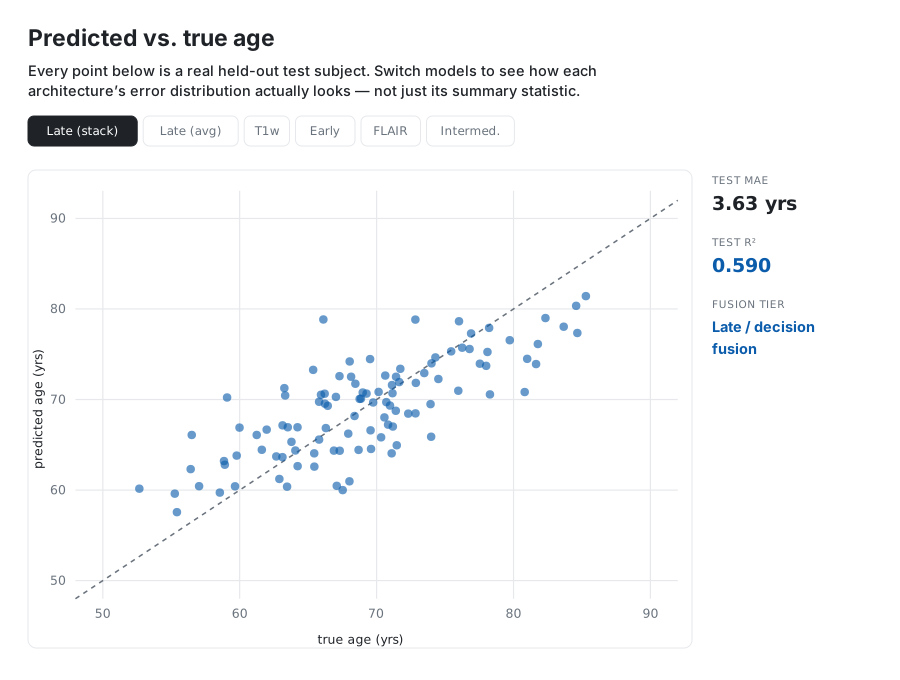
SFCN (3D CNN) and a Vision Transformer with a 3D-CNN tokenizer stem, trained on 712 ADNI subjects with paired T1 + FLAIR MRI. Full preprocessing (N4 bias correction, MNI152 registration) and transfer learning from a UK Biobank checkpoint.

Best: SFCN T1w-only — MAE 3.82 yr, R² 0.56
PyTorch3D CNNViTADNITransfer learning
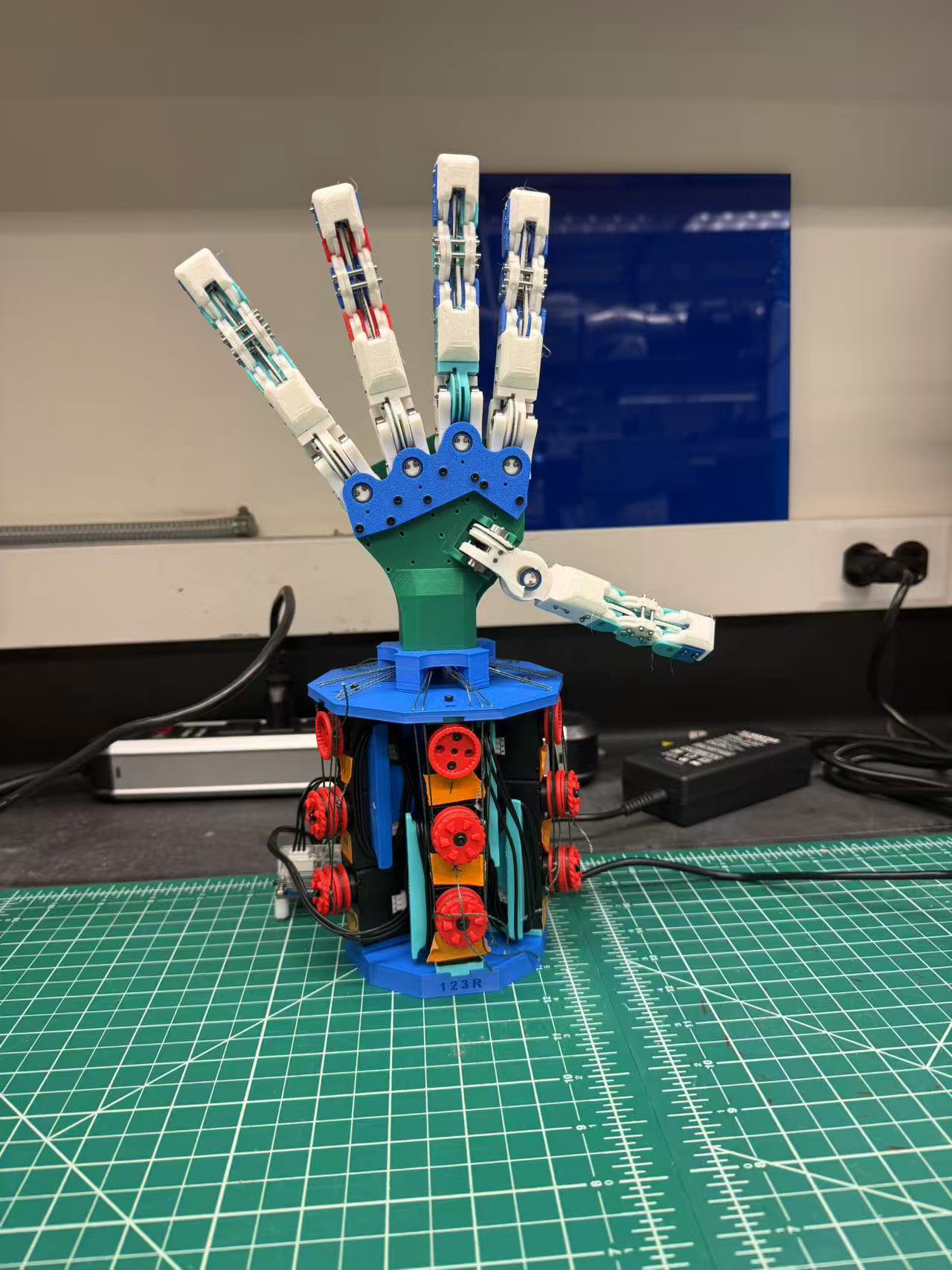
Tendon-driven robotic hand

Multimodal Dexterous Hand (in progress)

CRAFT × SpikeATac · Robotic Manipulation

Integrating SpikeATac piezoelectric tactile sensors onto the fingertips of CRAFT, an open-source tendon-driven hand with hybrid hard–soft compliance, then designing a multimodal architecture that fuses touch + vision to train manipulation policies.

Tactile sensingMultimodal learningRobotics

SpikeATac ↗ CRAFT ↗

Publication & Award

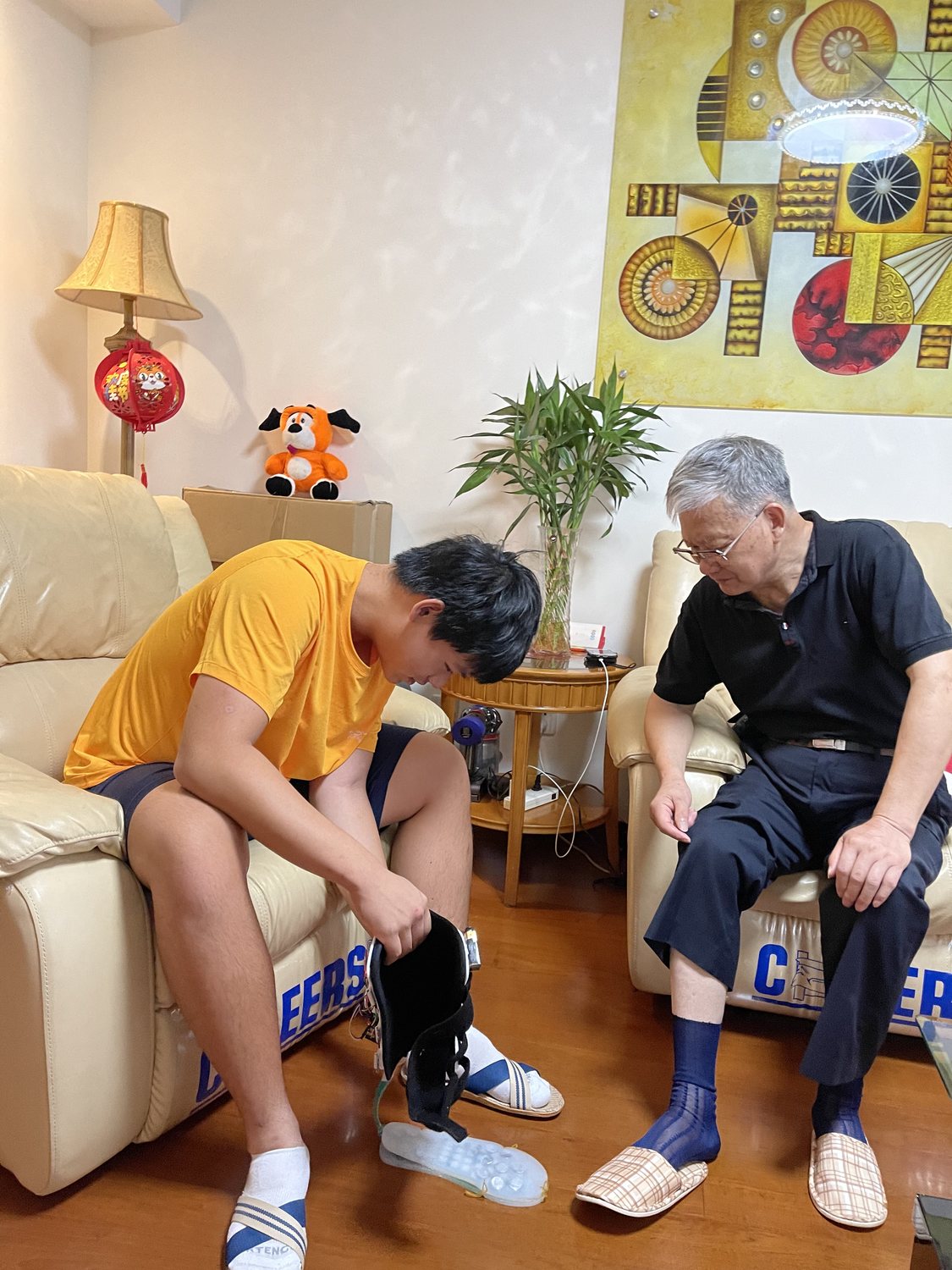
Levitating magnetic insole prototype

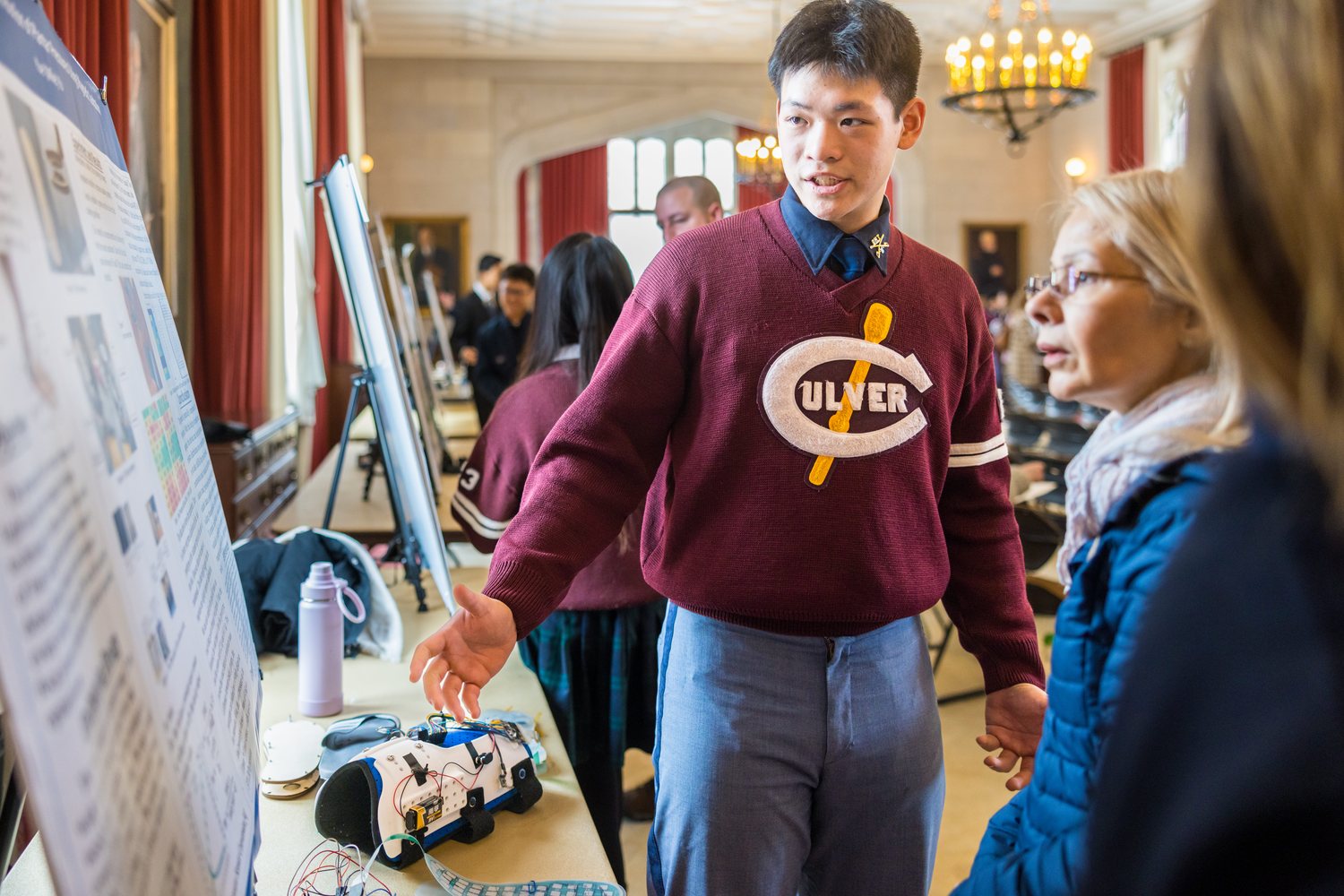
Levitating Magnetic Insoles for Plantar Fasciitis

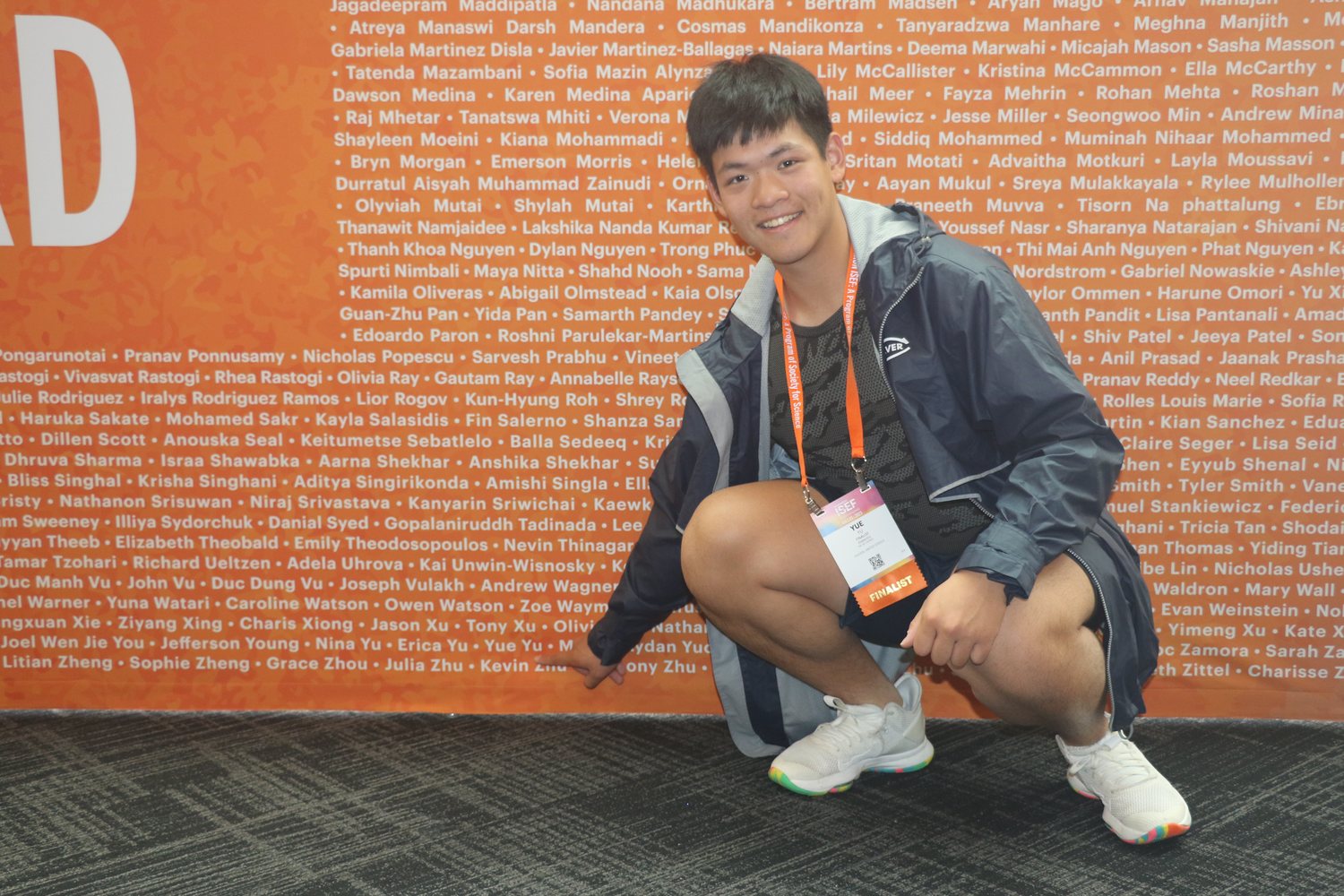
ISEF Finalist · first-author, peer-reviewed

Designed and tested a levitating sole using neodymium magnets to relieve plantar fasciitis — achieving 84.57 lbs of repulsion, an improvement over traditional EVA foam. Applied K-Means clustering to plantar-pressure and gait data to tune magnetic force across the sole for optimal redistribution.

Yu, Y. (2024). Levitating Magnetic Insoles: A Novel Approach to Alleviating Plantar Fasciitis Through the Reduction and Redistribution of Plantar Pressures. Journal of Innovations in Medical Research, 3(3), 14–35.

Biomedical EngineeringArduinoK-Means

Skills

Programming & SoftwarePython, C/C++, Java, MATLAB, Arduino, PCB design, Git
Machine LearningPyTorch, 3D CNNs, Vision Transformers, transfer learning, multimodal fusion, GMM/KNN, LLM pipelines
Microfabrication & CleanroomSputtering, e-beam deposition, Parylene-C, photolithography, electrode fabrication
Hardware & InstrumentationSTM32 firmware, oscilloscopes, function generators, EIS, signal acquisition, EEG (LSL)
Biomedical & ImagingMRI preprocessing (N4, MNI152, DICOM/NIfTI), diffuse optical tomography, PCR/CRISPR, fluorescent microscopy
LanguagesEnglish, Mandarin, Latin