Yue Mike Yu
About
I’m a driven engineer passionate about improving human health through bio-signal processing, neurotechnology, and wearable devices. My work spans brain-computer interfaces, stretchable electronics, and assistive prosthetics.
I'm currently studying biomedical engineering at Columbia University.

BS in Biomedical Engineering
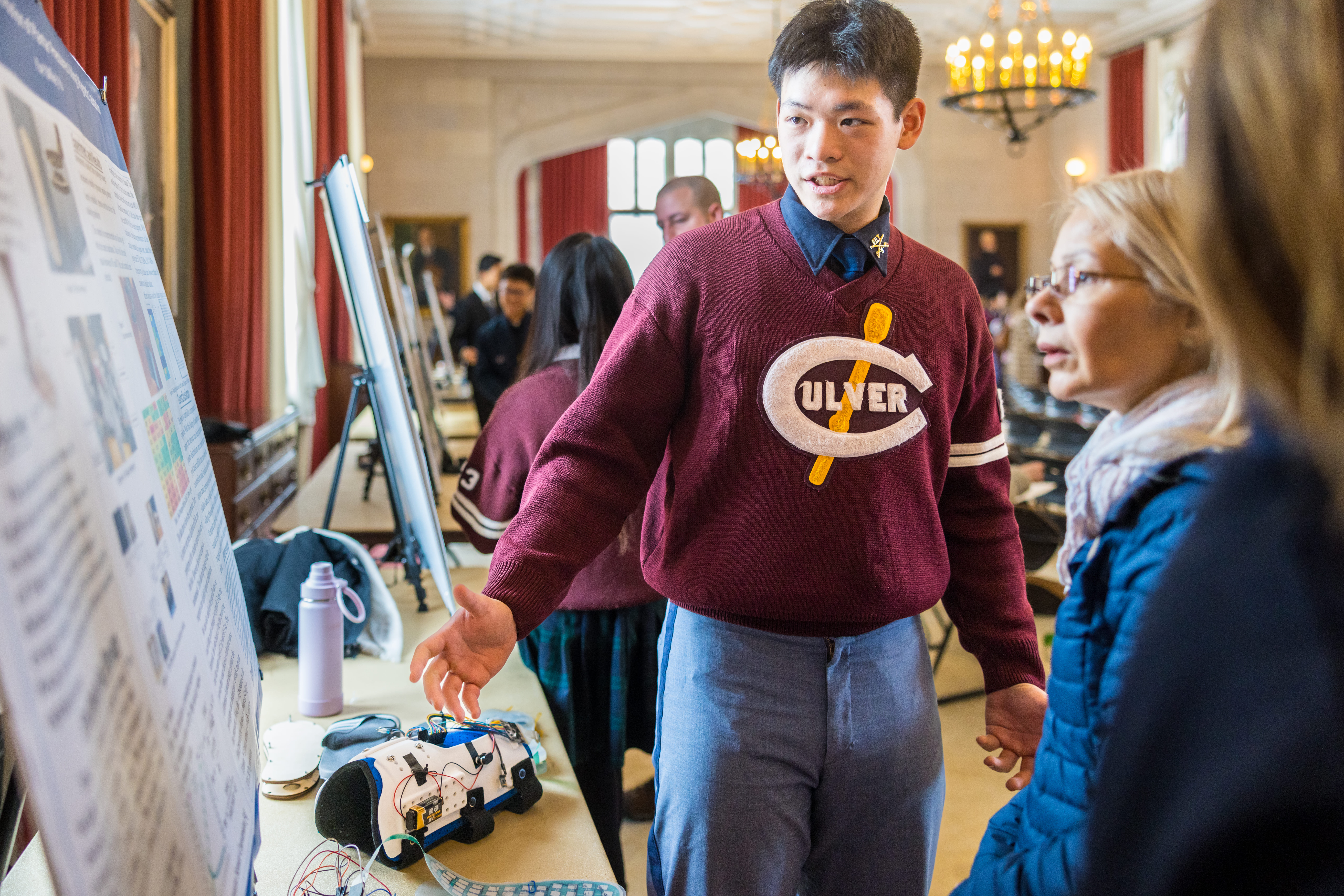
Yue Mike Yu
Featured Project
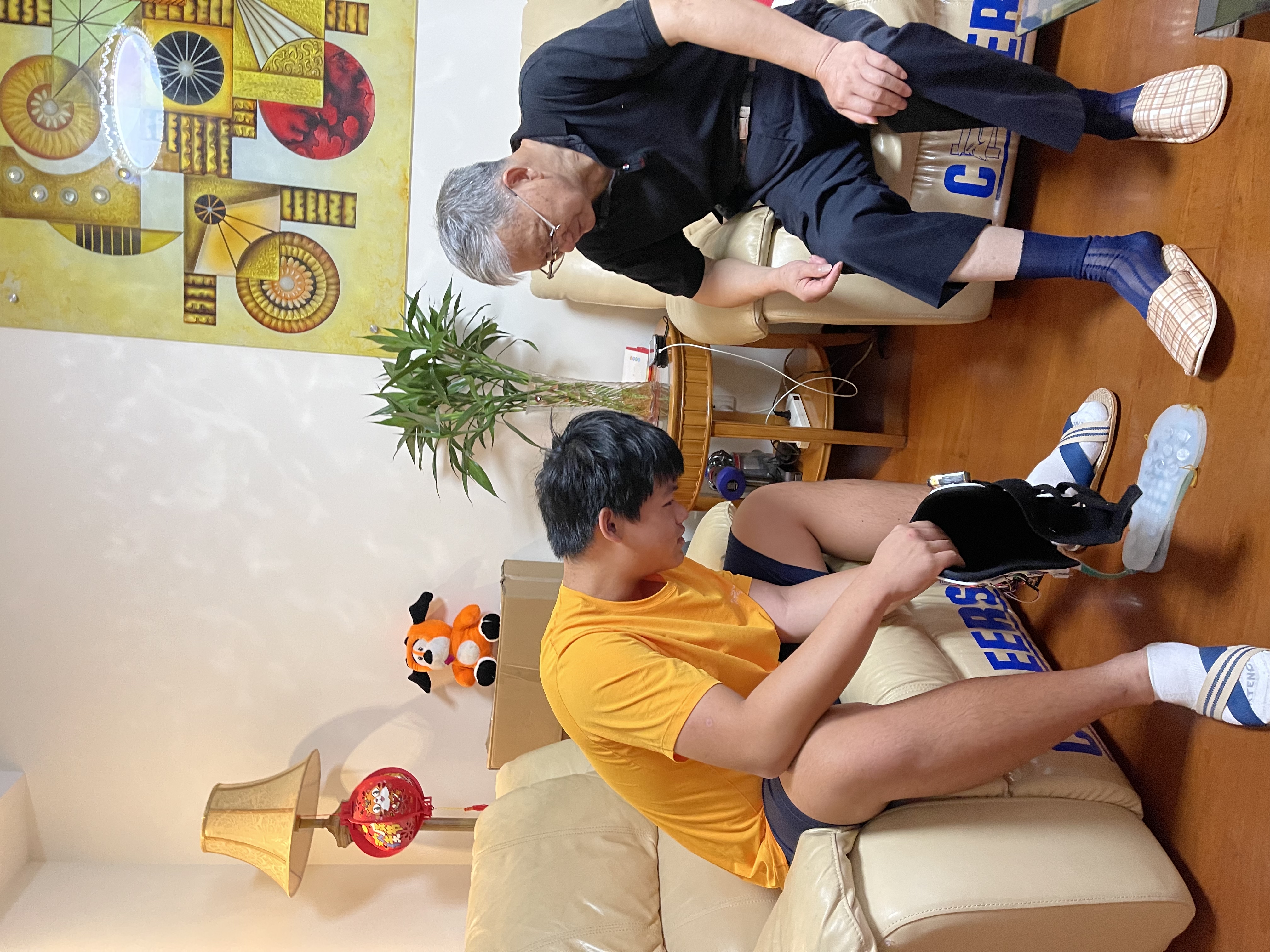
Levitating Magnetic Insoles: A Novel Approach to Alleviating Plantar Fasciitis
Designed and tested a levitating sole utilizing neodymium magnets to relieve plantar fasciitis pain, achieving a repulsion of 84.57 lbs, an improvement from traditional EVA foam soles. Applied the K-Means algorithm to analyze plantar pressure and gait patterns, allowing for adjustment of magnetic forces across the sole for optimal support and redistribution.
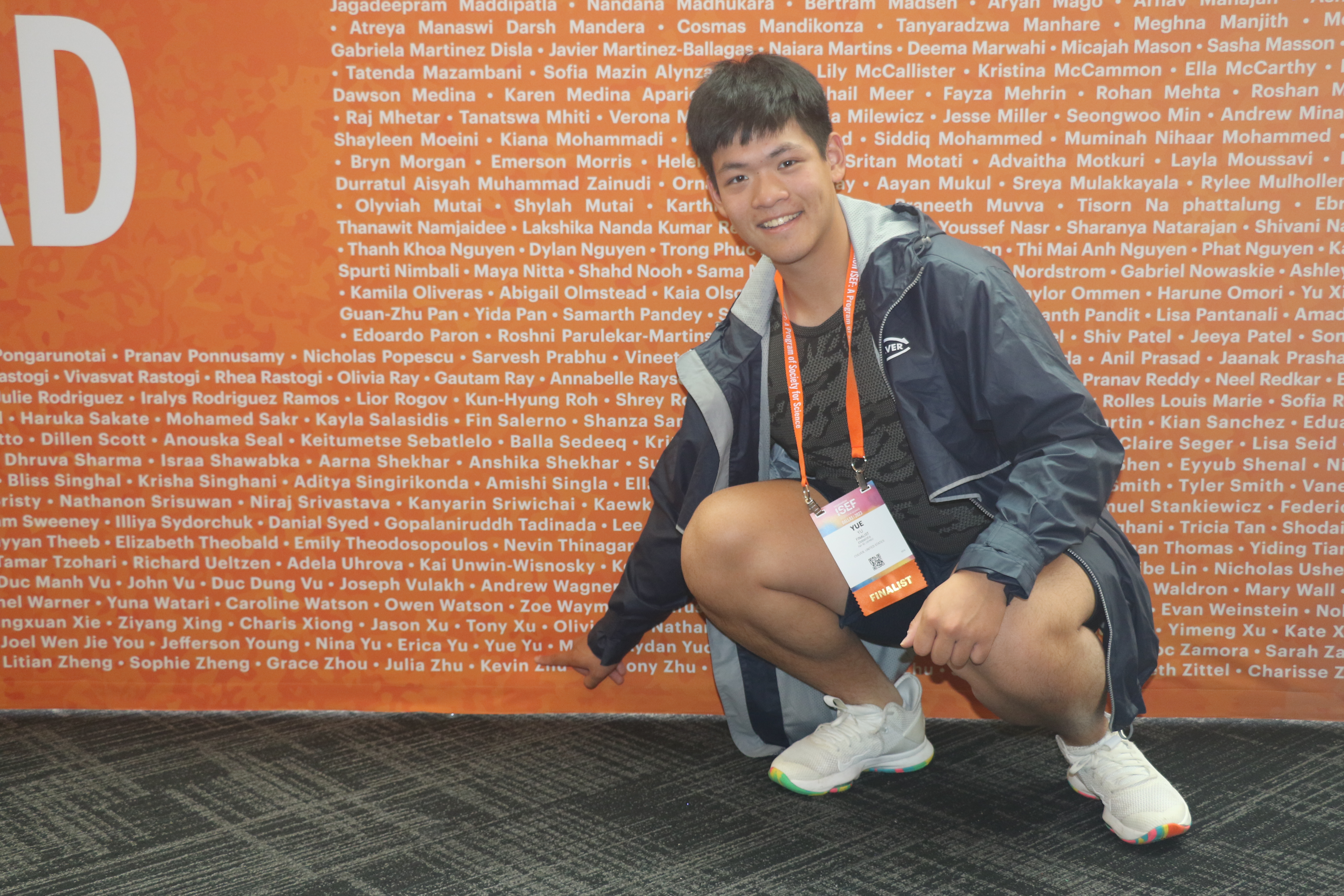
- Finalist of International Science & Engineering Fair (ISEF)
- Published in Journal of Innovations in Medical Research
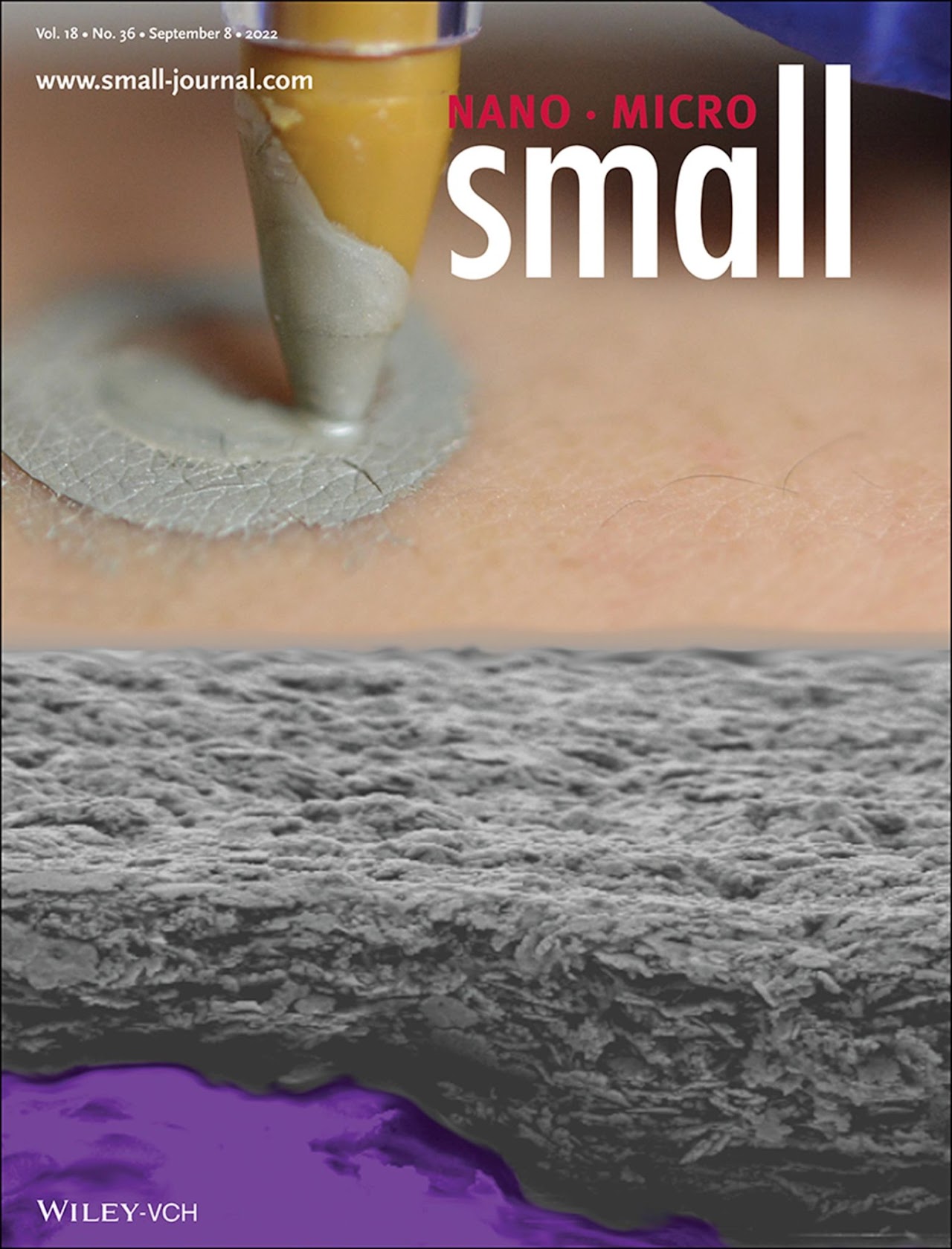
Bio-Signal Monitoring with Drawn-on-Skin Conductive Ink
During my research at Yu Research Group, I participated in ongoing research using Drawn-on-Skin (DoS) conductive ink.
- Detected and analyzed key bio-signals such as EEG (brain activity), ECG (heart signals), and skin impedance. Applications include stress detection, real-time monitoring, and wearable diagnostics.
- Mentoring incoming undergraduate researchers in lab protocols and ink application
- Performed data analysis and feature extraction on EEG/ECG data from multiple subjects
- Developing flexible DoS-based transistors, heaters, and pressure sensors
- Ensured 100% biocompatibility and 90% signal integrity during 50% stretch under motion
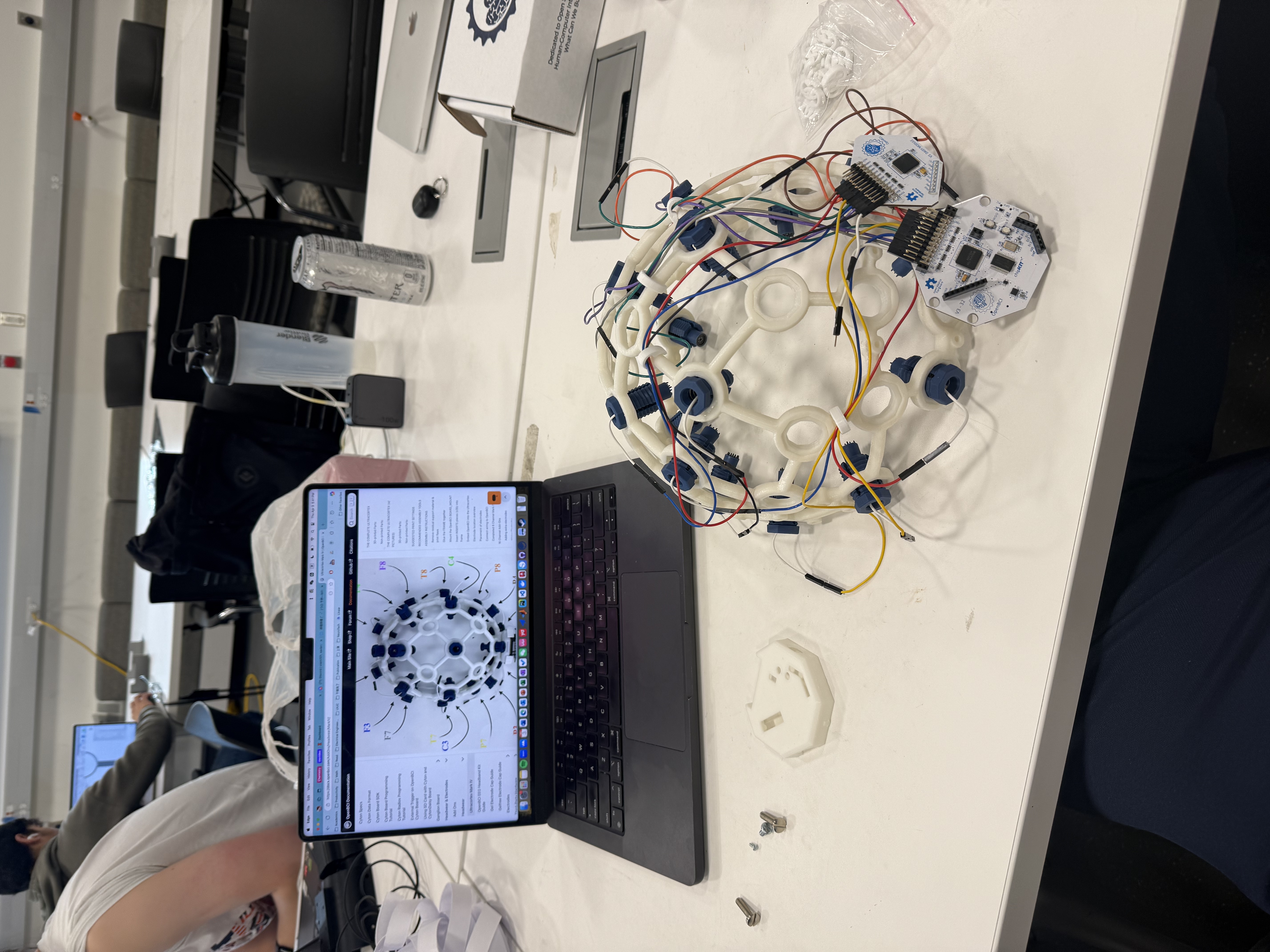
Brain-Controlled Motion Classification: AI-Driven EEG Interpretation Using Commercial Headsets
As part of the NeuroTech, Universum Model Development Team, I led 7 undergraduate students in applying AI/ML to brainwave data using commercial EEG headsets.
- Initiated startup project at Research Park, earning $5,000 in seed funding.
- Streamlined EEG data acquisition with IRB-approved SOP and Lab Streaming Layer (LSL), improving sync accuracy to 0.005s.
- Implemented Gaussian Mixture Model and K-Nearest Neighbor to classify grasping motions from EEG signals, achieving 40% accuracy.
- Received Engineering Open House Visionary Impact Award during live demo to the public.